A personal project designed to empower young adults to understand, express, and navigate their emotions with confidence.

Project overview
Teacup is a self-initiated project created during a time when many young adults were turning to social media as a form of emotional escape. While these platforms provide temporary distraction, they often amplify comparison, misinformation, and pressure—leaving real emotional needs unheard. Teacup aims to fill this gap by offering a safe, AI-supported space for users aged 14–24 to understand their emotions, reflect, and seek help when needed.
Teacup is an AI-assisted emotional diary app designed to encourage healthy emotional expression. Users can document their daily thoughts, reflect through guided AI questioning, track emotional patterns, and connect with licensed therapists or supportive communities. The goal is to normalize emotional check-ins and provide accessible early mental-health support.
What I worked on
I led Teacup from concept to prototype, beginning with foundational research into the emotional habits of young adults. I conducted competitive analysis and user interviews to understand how digital behaviors influence coping mechanisms. From there, I translated insights into user flows, information architecture, and interaction models that make emotional reflection simple and unintimidating.
I designed the full experience end-to-end—from low-fidelity wireframes to polished high-fidelity UI and a functional prototype. Throughout the process, I shaped the AI conversation model, defined therapist-escalation triggers, and built visual language that promotes comfort, warmth, and psychological safety.


Challenges
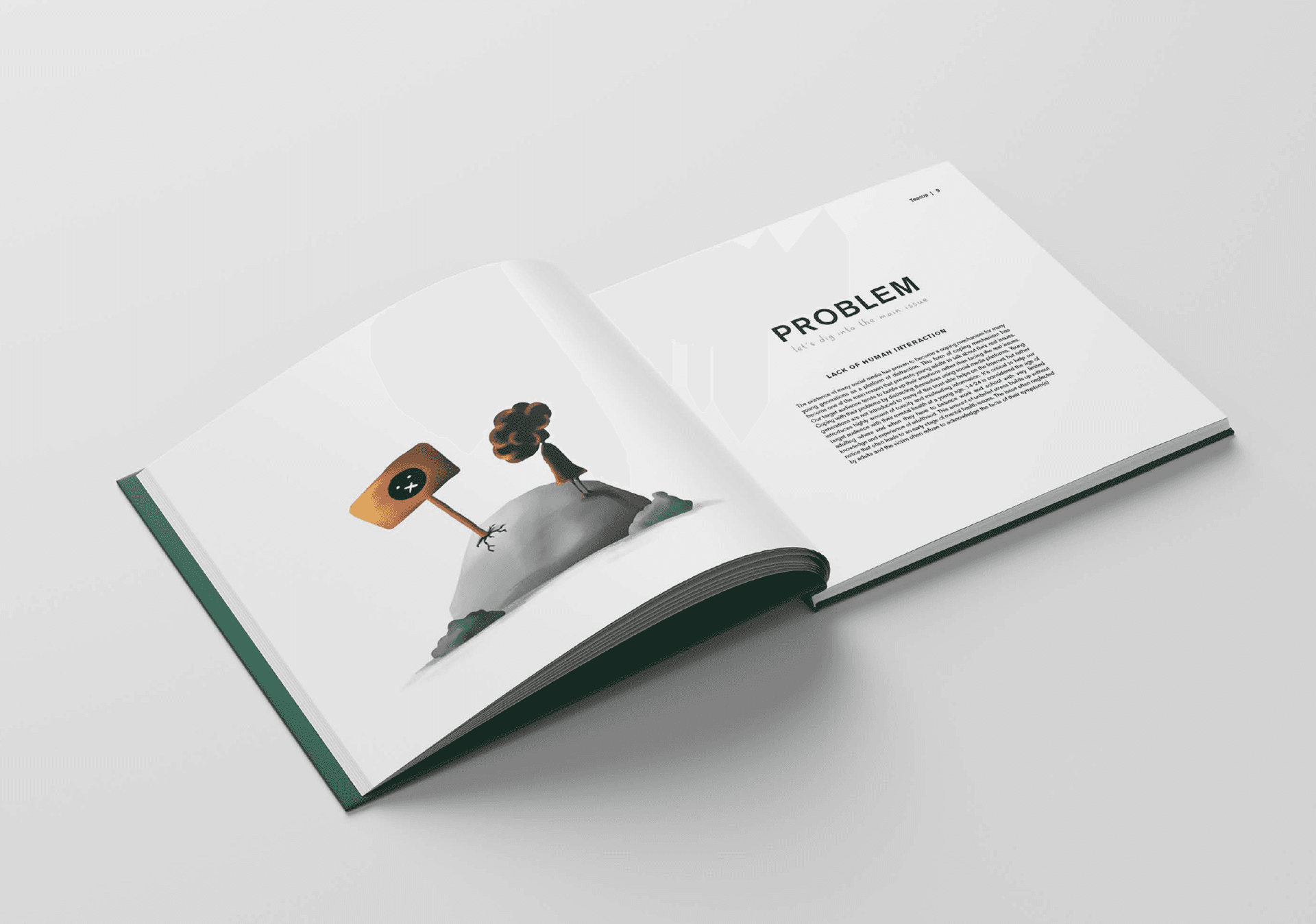
Young adults increasingly use social media as a coping mechanism—distracting themselves from real emotional challenges instead of addressing them. This behavior:
Encourages bottling up emotions
Exposes users to toxicity or misinformation
Creates false perceptions of “normal” emotional experiences
Leaves many without trustworthy digital mental-health tools
Contributes to early symptoms of anxiety, burnout, and emotional disconnect
Ages 14–24 represent a critical transition period where individuals juggle school, work, identity development, and growing responsibilities—often without emotional guidance. Their struggles are frequently minimized by adults or overlooked entirely.
Opportunity
To create a platform that gives young adults a trusted, judgment-free, and emotionally intelligent space to express themselves.
A place where:
They can talk freely without embarrassment
AI gently guides them to understand “why they feel this way”
They can access real therapists when ready
They can recognize emotional patterns through daily tracking
Community stories help normalize their experiences
With Teacup, emotional reflection becomes accessible, intuitive, and integrated into their daily lives.
Challenges
Teacup is a self-initiated project created during a time when many young adults were turning to social media as a form of emotional escape. While these platforms provide temporary distraction, they often amplify comparison, misinformation, and pressure—leaving real emotional needs unheard. Teacup aims to fill this gap by offering a safe, AI-supported space for users aged 14–24 to understand their emotions, reflect, and seek help when needed.
Teacup is an AI-assisted emotional diary app designed to encourage healthy emotional expression. Users can document their daily thoughts, reflect through guided AI questioning, track emotional patterns, and connect with licensed therapists or supportive communities. The goal is to normalize emotional check-ins and provide accessible early mental-health support.

Design process
1. Research & Insight Gathering
Conducted 1:1 interviews with young adults to understand emotional habits
Identified pain points around vulnerability, privacy, and stigma
Mapped user behaviors around journaling, venting, and digital coping
Benchmarked mental-health apps, AI chat tools, and peer-support communities
2. Defining Core Experience
Four key pillars shaped the app:
Safe emotional expression
AI-guided reflection
Optional therapist escalation
Trackable emotional growth
3. UX & Interaction Design
Created user flows for journaling, AI conversation, and therapist handoff
Designed emotional logging system using color-coded calendar patterns
Built community browsing experience that is supportive, not social-media-driven
Prioritized anonymity, simplicity, and warmth
4. Visual & UI Design
Soft color palette inspired by calm morning tones
Rounded shapes and gentle motion cues to build trust
Minimal UI to remove cognitive load and encourage focus
5. Prototyping & Validation
Built interactive prototypes for both AI dialogue and daily logging
Tested usability with peers and early-age users
Refined AI prompts for clarity, empathy, and depth


Impact
While Teacup is a conceptual project, early testers expressed:
Increased comfort in acknowledging emotions
Positive reaction to AI-guided questioning (“feels like talking to someone who understands”)
Appreciation for therapist escalation as a non-forceful option
Excitement about seeing emotional patterns over time
Relief in having a place that is not social media to process their thoughts
The app demonstrated the potential for AI-driven emotional support when paired with real-world therapeutic resources.
Results
Throughout this project, I took on the full design process—research, usability testing, wireframing, prototyping, visual design, and interaction design. Because mobile responsiveness was a key priority, I made sure the experience remained accessible and intuitive across devices.
As my first full UI/UX case study, Teacup became a foundation for understanding not just how to design beautiful interfaces, but how to design experiences that genuinely work for real users. The application is far from perfect, but the process was invaluable.
From the 68 user interviews and usability tests, nearly 60% responded with positive feedback, while the remaining 40% highlighted areas that needed improvement. I see this not as a setback, but as meaningful direction for the next iteration. It reminded me that design is never finished—it evolves through critique, learning, and continuous refinement.
I welcome feedback and always appreciate new perspectives. Every insight helps me grow as a designer and guides me toward creating more thoughtful, effective, and human-centered products.


A personal project designed to empower young adults to understand, express, and navigate their emotions with confidence.
Project overview
Teacup is a self-initiated project created during a time when many young adults were turning to social media as a form of emotional escape. While these platforms provide temporary distraction, they often amplify comparison, misinformation, and pressure—leaving real emotional needs unheard. Teacup aims to fill this gap by offering a safe, AI-supported space for users aged 14–24 to understand their emotions, reflect, and seek help when needed.
Teacup is an AI-assisted emotional diary app designed to encourage healthy emotional expression. Users can document their daily thoughts, reflect through guided AI questioning, track emotional patterns, and connect with licensed therapists or supportive communities. The goal is to normalize emotional check-ins and provide accessible early mental-health support.
What I worked on
I led Teacup from concept to prototype, beginning with foundational research into the emotional habits of young adults. I conducted competitive analysis and user interviews to understand how digital behaviors influence coping mechanisms. From there, I translated insights into user flows, information architecture, and interaction models that make emotional reflection simple and unintimidating.
I designed the full experience end-to-end—from low-fidelity wireframes to polished high-fidelity UI and a functional prototype. Throughout the process, I shaped the AI conversation model, defined therapist-escalation triggers, and built visual language that promotes comfort, warmth, and psychological safety.
Challenges
Young adults increasingly use social media as a coping mechanism—distracting themselves from real emotional challenges instead of addressing them. This behavior:
Encourages bottling up emotions
Exposes users to toxicity or misinformation
Creates false perceptions of “normal” emotional experiences
Leaves many without trustworthy digital mental-health tools
Contributes to early symptoms of anxiety, burnout, and emotional disconnect
Ages 14–24 represent a critical transition period where individuals juggle school, work, identity development, and growing responsibilities—often without emotional guidance. Their struggles are frequently minimized by adults or overlooked entirely.
Opportunity
To create a platform that gives young adults a trusted, judgment-free, and emotionally intelligent space to express themselves.
A place where:
They can talk freely without embarrassment
AI gently guides them to understand “why they feel this way”
They can access real therapists when ready
They can recognize emotional patterns through daily tracking
Community stories help normalize their experiences
With Teacup, emotional reflection becomes accessible, intuitive, and integrated into their daily lives.
Challenges
Teacup is a self-initiated project created during a time when many young adults were turning to social media as a form of emotional escape. While these platforms provide temporary distraction, they often amplify comparison, misinformation, and pressure—leaving real emotional needs unheard. Teacup aims to fill this gap by offering a safe, AI-supported space for users aged 14–24 to understand their emotions, reflect, and seek help when needed.
Teacup is an AI-assisted emotional diary app designed to encourage healthy emotional expression. Users can document their daily thoughts, reflect through guided AI questioning, track emotional patterns, and connect with licensed therapists or supportive communities. The goal is to normalize emotional check-ins and provide accessible early mental-health support.
Design process
1. Research & Insight Gathering
Conducted 1:1 interviews with young adults to understand emotional habits
Identified pain points around vulnerability, privacy, and stigma
Mapped user behaviors around journaling, venting, and digital coping
Benchmarked mental-health apps, AI chat tools, and peer-support communities
2. Defining Core Experience
Four key pillars shaped the app:
Safe emotional expression
AI-guided reflection
Optional therapist escalation
Trackable emotional growth
3. UX & Interaction Design
Created user flows for journaling, AI conversation, and therapist handoff
Designed emotional logging system using color-coded calendar patterns
Built community browsing experience that is supportive, not social-media-driven
Prioritized anonymity, simplicity, and warmth
4. Visual & UI Design
Soft color palette inspired by calm morning tones
Rounded shapes and gentle motion cues to build trust
Minimal UI to remove cognitive load and encourage focus
5. Prototyping & Validation
Built interactive prototypes for both AI dialogue and daily logging
Tested usability with peers and early-age users
Refined AI prompts for clarity, empathy, and depth
Impact
While Teacup is a conceptual project, early testers expressed:
Increased comfort in acknowledging emotions
Positive reaction to AI-guided questioning (“feels like talking to someone who understands”)
Appreciation for therapist escalation as a non-forceful option
Excitement about seeing emotional patterns over time
Relief in having a place that is not social media to process their thoughts
The app demonstrated the potential for AI-driven emotional support when paired with real-world therapeutic resources.
Results
Throughout this project, I took on the full design process—research, usability testing, wireframing, prototyping, visual design, and interaction design. Because mobile responsiveness was a key priority, I made sure the experience remained accessible and intuitive across devices.
As my first full UI/UX case study, Teacup became a foundation for understanding not just how to design beautiful interfaces, but how to design experiences that genuinely work for real users. The application is far from perfect, but the process was invaluable.
From the 68 user interviews and usability tests, nearly 60% responded with positive feedback, while the remaining 40% highlighted areas that needed improvement. I see this not as a setback, but as meaningful direction for the next iteration. It reminded me that design is never finished—it evolves through critique, learning, and continuous refinement.
I welcome feedback and always appreciate new perspectives. Every insight helps me grow as a designer and guides me toward creating more thoughtful, effective, and human-centered products.